Plant journal
Simple Tips to Maximize White Clover Seed Growth
Why Grow White Clover in Your Yard?
White clover is one of the most versatile and beneficial plants you can add to your outdoor space. Whether you’re looking for a lush ground cover, natural soil improvement, or an eco-friendly alternative to traditional grass, white clover delivers on all fronts.
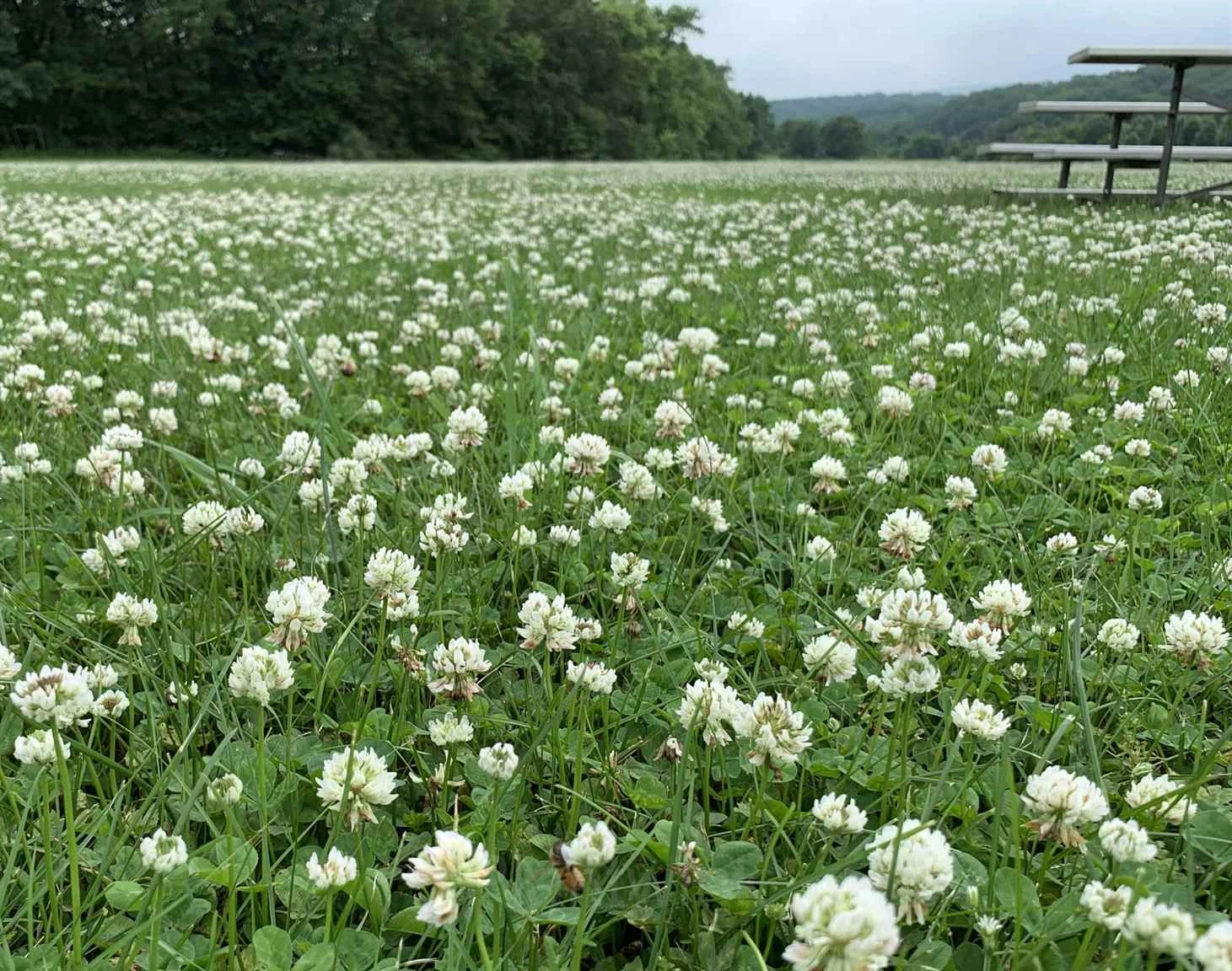
Top Benefits of White Clover
Planting white clover offers several long-term advantages that make it a favorite among gardeners and homeowners alike:
- Low maintenance: Requires less mowing and watering than grass.
- Pollinator-friendly: Attracts bees and butterflies.
- Soil health: Naturally fixes nitrogen and improves fertility.
- Durability: Stays green even in drier conditions.
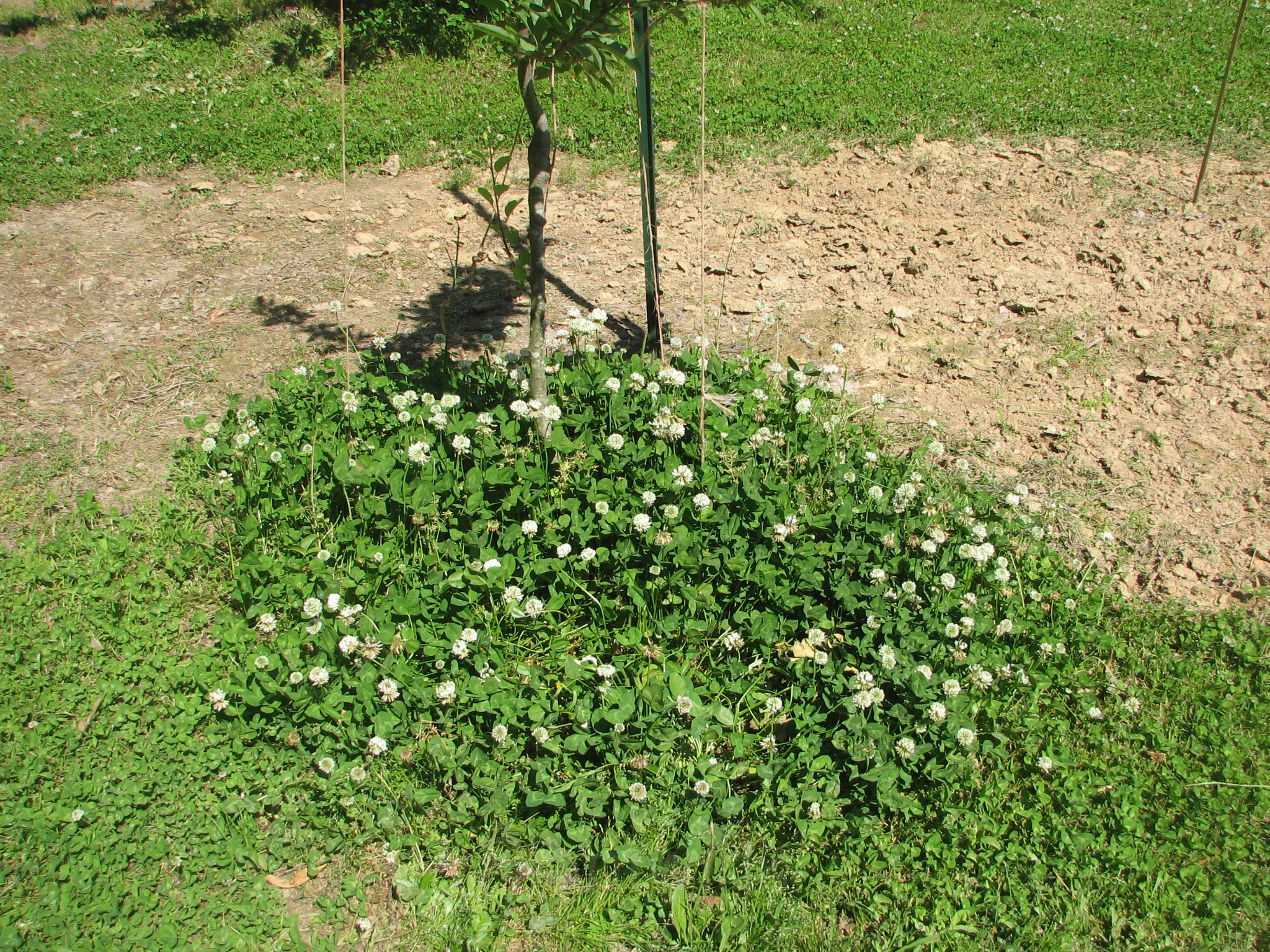
How to Plant and Care for White Clover
Growing white clover is simple, but a few tips will help you get the most from your seeds:
- Planting time: Early spring or fall offers the best results.
- Soil prep: Loosen soil for better root growth and even germination.
- Seeding: Scatter seeds evenly and rake lightly into the soil.
- Watering: Keep soil moist during the first 2–3 weeks until seedlings establish.
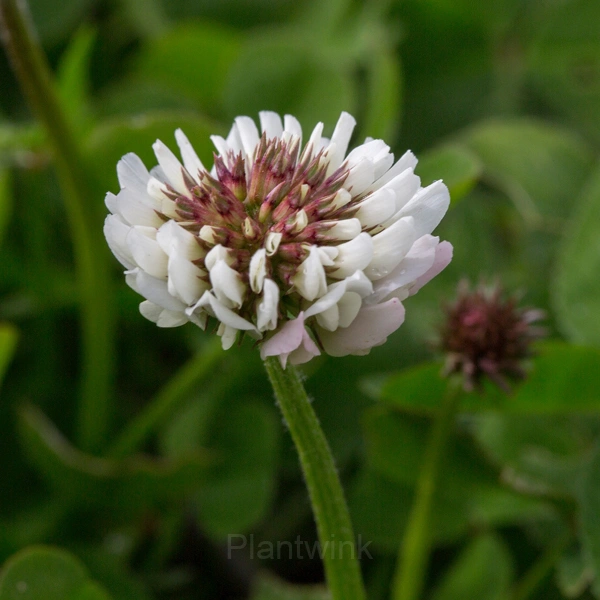
Enjoy a Greener, Healthier Lawn
Once established, white clover spreads naturally, creating a thick, green carpet that requires less effort to maintain. It’s a practical, eco-friendly choice that adds beauty while reducing yard work.
Ready to transform your yard? Shop White Clover Seeds today and start enjoying a low-maintenance, lush lawn alternative.