Plant journal
Nandina
Picture
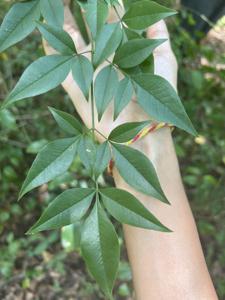
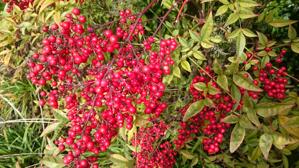
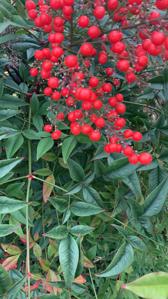
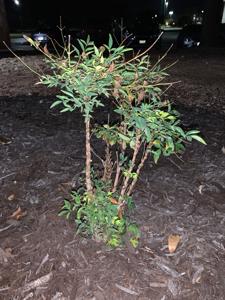
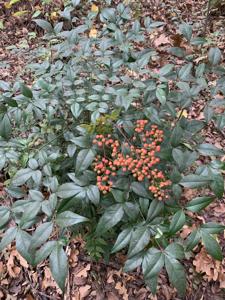
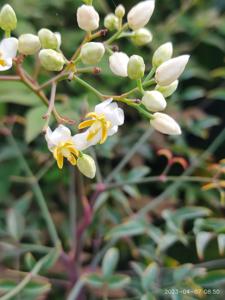
Plant some seeds now!
Short Description
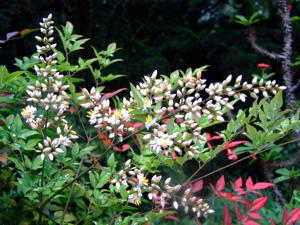
Nandina domestica (/nænˈdiːnə/ nan-DEE-nə)[a][b][c] commonly known as nandina, heavenly bamboo or sacred bamboo, is a species of flowering plant in the family Berberidaceae, native to eastern Asia from the Himalayas to Japan. It is the only member of the monotypic genus Nandina. It is widely grown in gardens as an ornamental plant with a number of cultivars that display bright-red fall foliage in the cool months, and attractive new foliage growth in spring. Although a popular ornamental shrub, the berries are toxic to birds, especially towards the end of the winter when other food sources become scarce. The Latin genus name Nandina is derived from the Japanese name nanten (南天). The specific epithet domestica means 'domesticated', or 'of the household'.
Description
Despite the common name "sacred bamboo", it is not a bamboo but an erect evergreen shrub up to 2 m (7 ft) tall by 1.5 m (5 ft) wide, with numerous, usually unbranched stems growing from ground level. The glossy leaves are sometimes deciduous in colder areas, 50–100 cm (20–39 in) long, bi- or tri-pinnately compound, with the individual leaflets 4–11 cm (2–4 in) long and 1.5–3 cm broad. Flowers Flower buds repel rainwater. Nanten leaves also repel rainwater. The young leaves in spring are brightly coloured pink to red before turning green; old leaves turn red or purple again before falling. Its petiolate leaves are 50–100 cm long, compound (two or three pinnacles) with leaflets, elliptical to ovate or lanceolate and of entire margins, 2–10 cm long by 0.5–2 cm wide, with petioles swollen at their bases.
External links
You may also like