Plant journal
Cucurbitaceae
Picture
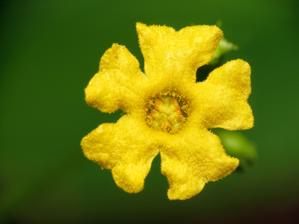
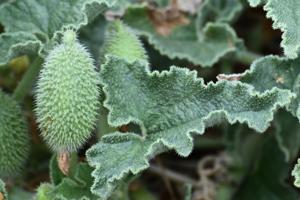
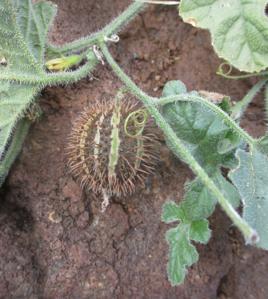
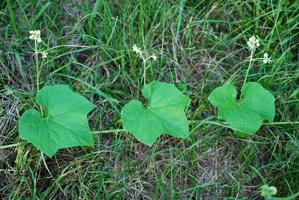

Plant some seeds now!
Short Description
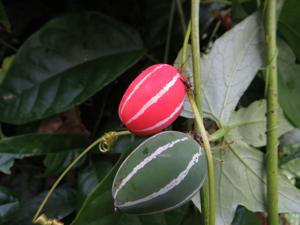
The Cucurbitaceae (/kjuːˌkɜːrbɪˈteɪsiːˌiː/), also called cucurbits or the gourd family, are a plant family consisting of about 965 species in around 95 genera. Those most important to humans are the following:[citation needed] Cucurbita – squash, pumpkin, zucchini or courgette, some gourds Lagenaria – calabash, and others that are inedible Citrullus – watermelon (C. lanatus, C. colocynthis) and others Cucumis – cucumber (C. sativus), various melons and vines Momordica – bitter melon Luffa – the common name is also luffa, sometimes spelled loofah (when fully ripened, two species of this fibrous fruit are the source of the loofah scrubbing sponge) Cyclanthera – Caigua The plants in this family are grown around the tropics and in temperate areas, where those with edible fruits were among the earliest cultivated plants in both the Old and New Worlds. The family Cucurbitaceae ranks among the highest of plant families for number and percentage of species used as human food. The name Cucurbitaceae comes to international scientific vocabulary from Neo-Latin, from Cucurbita, the type genus, + -aceae, a standardized suffix for plant family names in modern taxonomy. The genus name comes from the Classical Latin word cucurbita, meaning "gourd".
Description
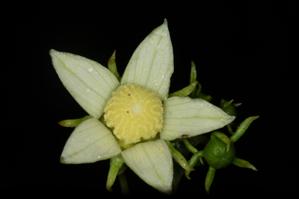
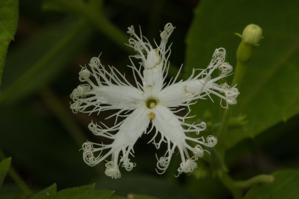
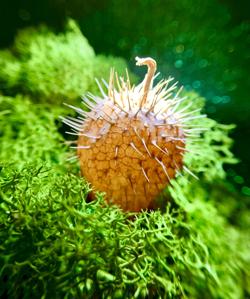
Flower of Lagenaria captured at night Most of the plants in this family are annual vines, but some are woody lianas, thorny shrubs, or trees (Dendrosicyos). Many species have large, yellow or white flowers. The stems are hairy and pentangular. Tendrils are present at 90° to the leaf petioles at nodes. Leaves are exstipulate, alternate, simple palmately lobed or palmately compound. The flowers are unisexual, with male and female flowers on different plants (dioecious) or on the same plant (monoecious). The female flowers have inferior ovaries. The fruit is often a kind of modified berry called a pepo.: 2
External links
You may also like