Plant journal
Amaranthaceae
Picture
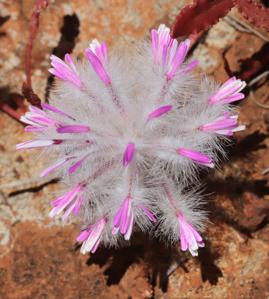
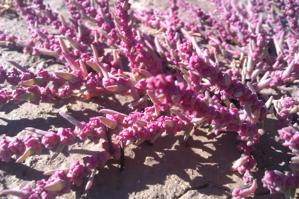
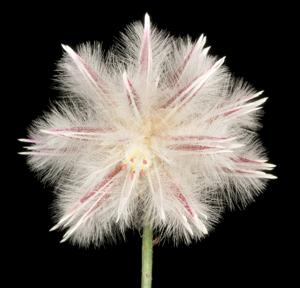
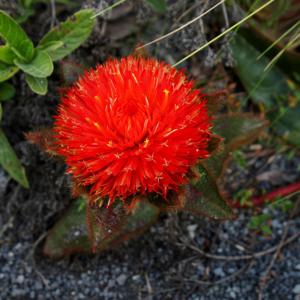
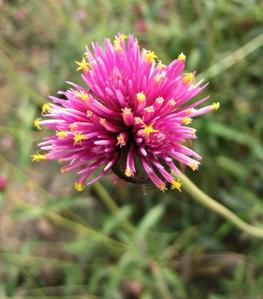
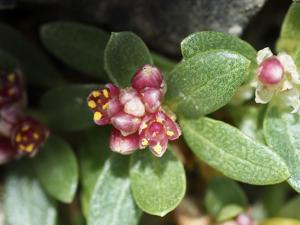
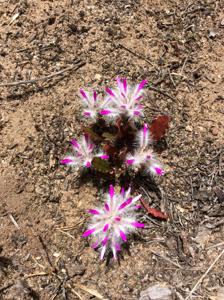
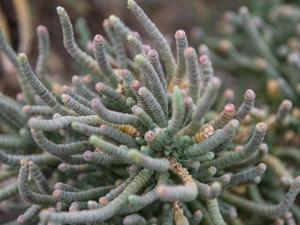
Plant some seeds now!
Short Description
Amaranthaceae (/ˌæmərænˈθeɪsiaɪ, -iiː/ AM-ər-an-THAY-see-e(y)e) is a family of flowering plants commonly known as the amaranth family, in reference to its type genus Amaranthus. It includes the former goosefoot family Chenopodiaceae and contains about 165 genera and 2,040 species, making it the most species-rich lineage within its parent order, Caryophyllales.
Description
Vegetative characters Bassia laniflora (illustration), Camphorosmoideae Most species in the Amaranthaceae are annual or perennial herbs or subshrubs; others are shrubs; very few species are vines or trees. Some species are succulent. Many species have stems with thickened nodes. The wood of the perennial stem has a typical "anomalous" secondary growth; only in subfamily Polycnemoideae is secondary growth normal. The leaves are simple and mostly alternate, sometimes opposite. They never possess stipules. They are flat or terete, and their shape is extremely variable, with entire or toothed margins. In some species, the leaves are reduced to minute scales. In most cases, neither basal nor terminal aggregations of leaves occur.
External links
You may also like